 Tara Melvin
 January 29, 2026
 Tara Melvin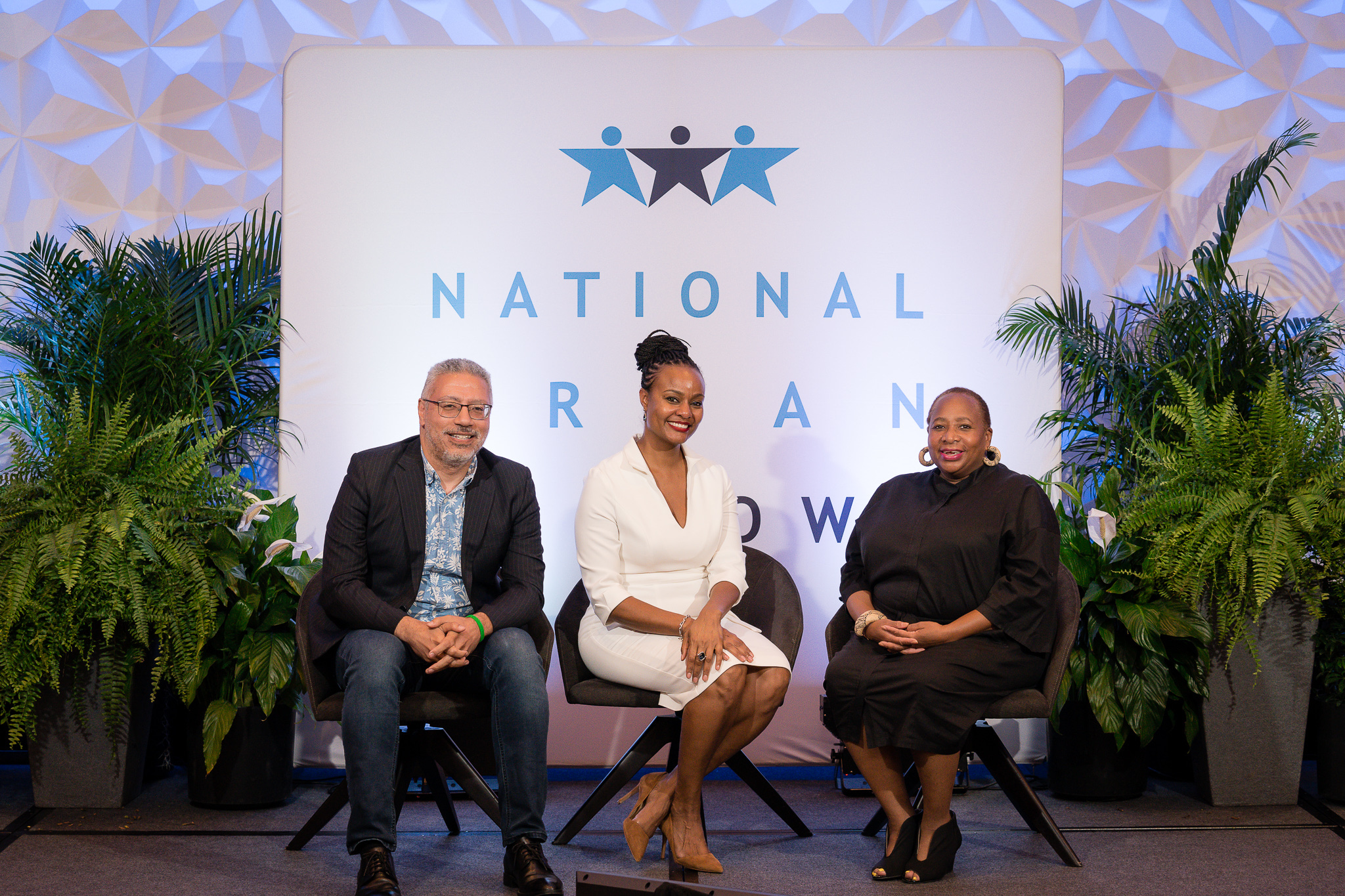
Planning a non‑profit event is about so much more than booking a venue, choosing a menu, and a room of attendees. It’s an opportunity to amplify your mission, build relationships, and create an experience that moves people to action. At Signature Concepts, we believe that every detail should speak to your purpose, and every moment should feel intentional.
If you’re preparing for your next fundraiser, gala, or community initiative, here’s the inside framework we share with our clients to help them plan with clarity, confidence, and impact.
Every extraordinary event begins with a crystal‑clear foundation. Before logistics enter the picture, take a step back and define your “why.”
Ask yourself:
When your purpose is rock‑solid, the planning becomes intentional and your event becomes unforgettable.
Non‑profits often have big visions and responsible budgets. A smart budget is where strategy meets stewardship.
Here’s the tough‑love truth: being a non‑profit doesn’t automatically unlock deep vendor discounts. Some partners will extend goodwill pricing, but it’s not guaranteed. Where you do often see savings is on taxes, based on your state’s laws if you have current documentation of your tax‑exempt status and provide it in advance. Make sure that paperwork is ready to share with your venue and vendors.
When building your budget:
A thoughtful, eyes‑wide‑open budget protects your mission and helps you make confident choices.
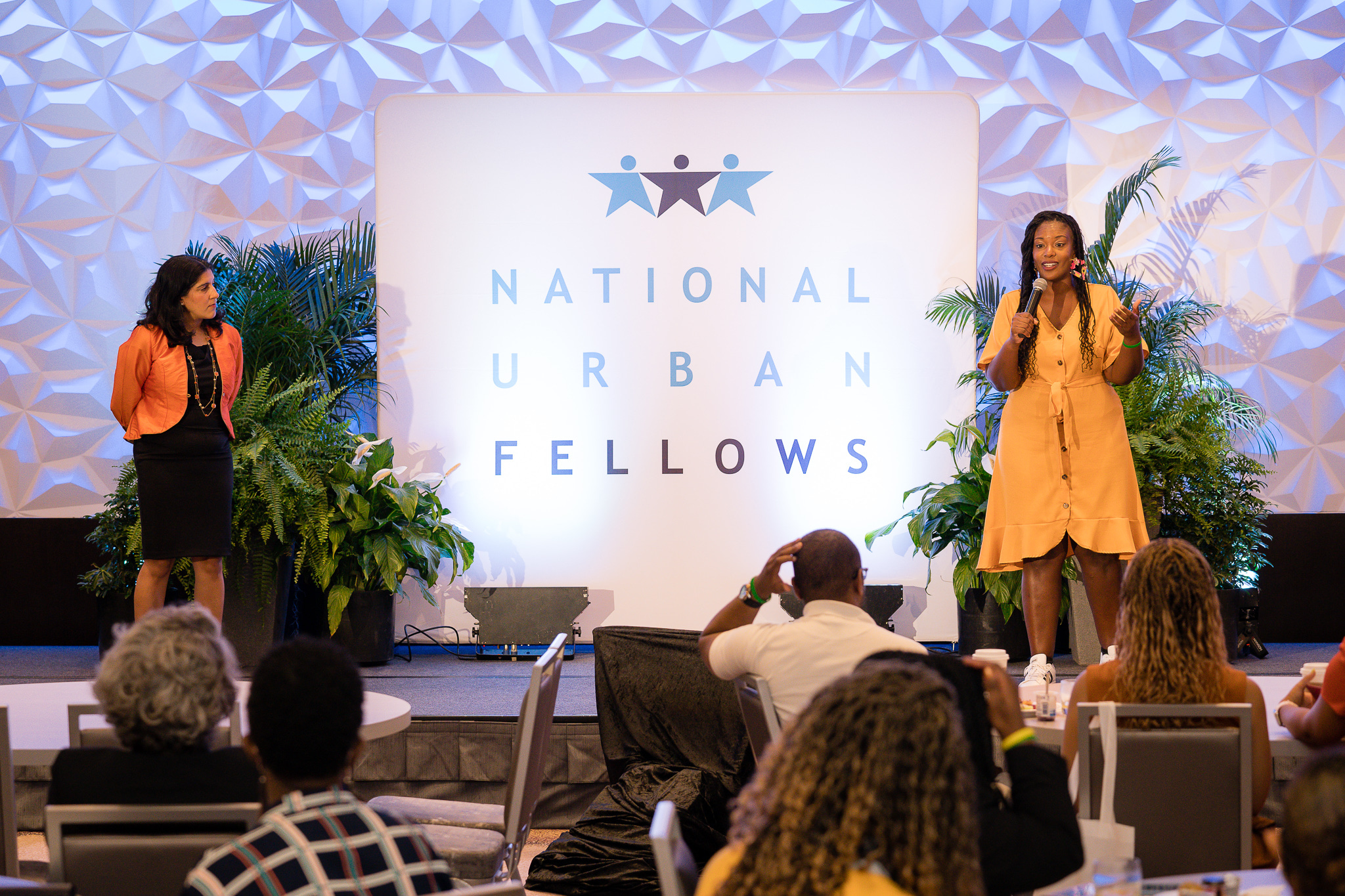
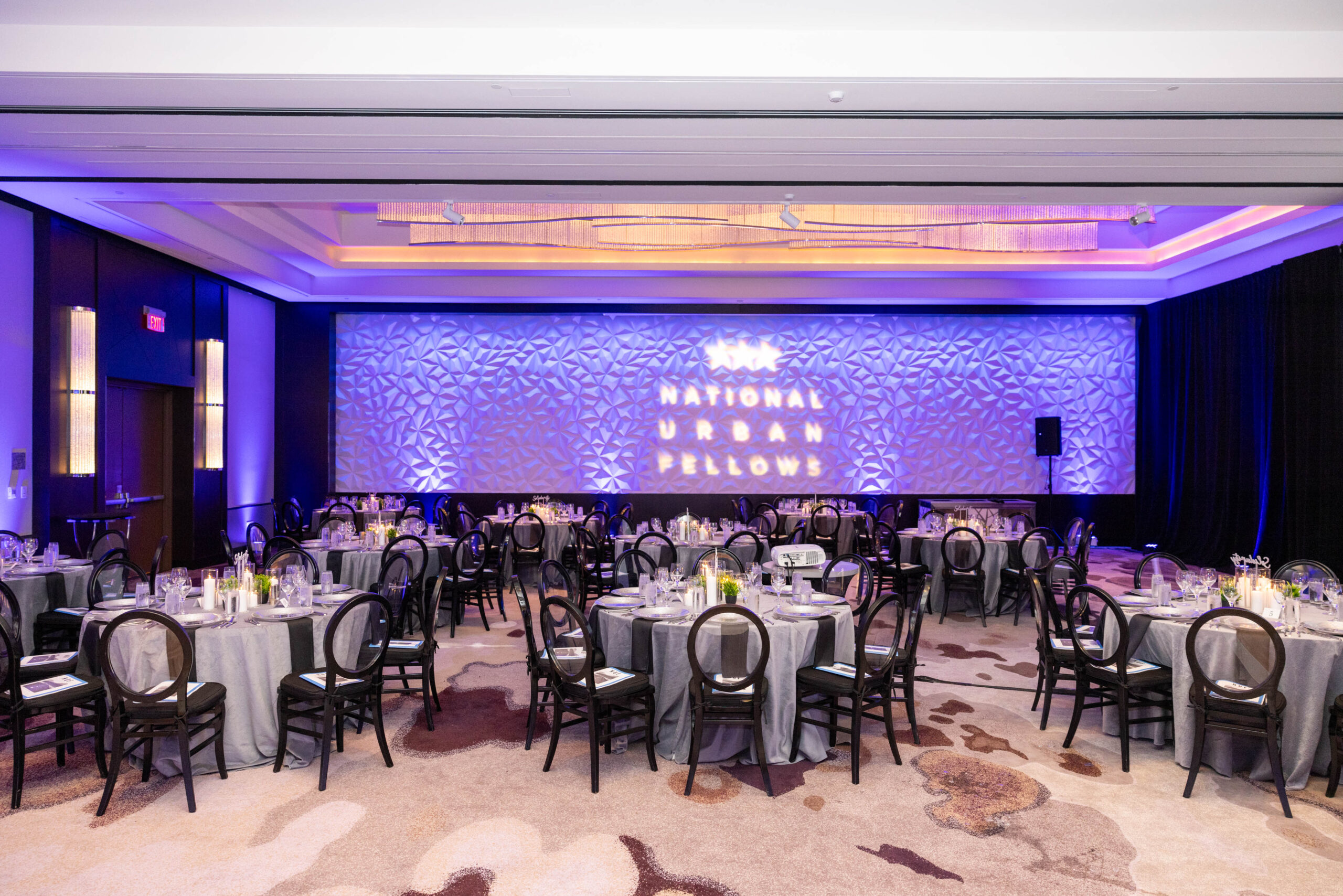
Your event format sets the tone; your venue sets the stage.
Whether you’re hosting a gala, luncheon, conference, 5K, donor appreciation dinner, or silent auction, choose a format that naturally complements your story. If the venue reflects your mission or community impact, even better, it deepens the emotional connection. Your venue selection process should start 12-months in advance.
Before you sign, confirm what’s included beyond food and beverage:
And ask directly about concessions the venue can offer to offset costs. Consider:
Thoughtful negotiation here can materially improve your bottom line.
Non‑profit events should never feel transactional, they should feel transformational. Infuse storytelling throughout the experience by incorporating:
The most memorable events don’t just share the mission; they allow guests to experience it.
A successful event is always a team effort. Set your committee up for success by defining roles early:
Provide volunteers with clear expectations, run‑of‑show documents, scripts, and brief training sessions. When your team feels prepared, they become true ambassadors for your mission.
And don’t go it alone: hire a professional event planner. A seasoned planner will translate your vision into a cohesive experience, keep you organized, manage the moving parts, advocate for you with venues and vendors, and anticipate challenges you won’t see coming. Their expertise frees your team to focus on relationships and fundraising, the heart of your event.
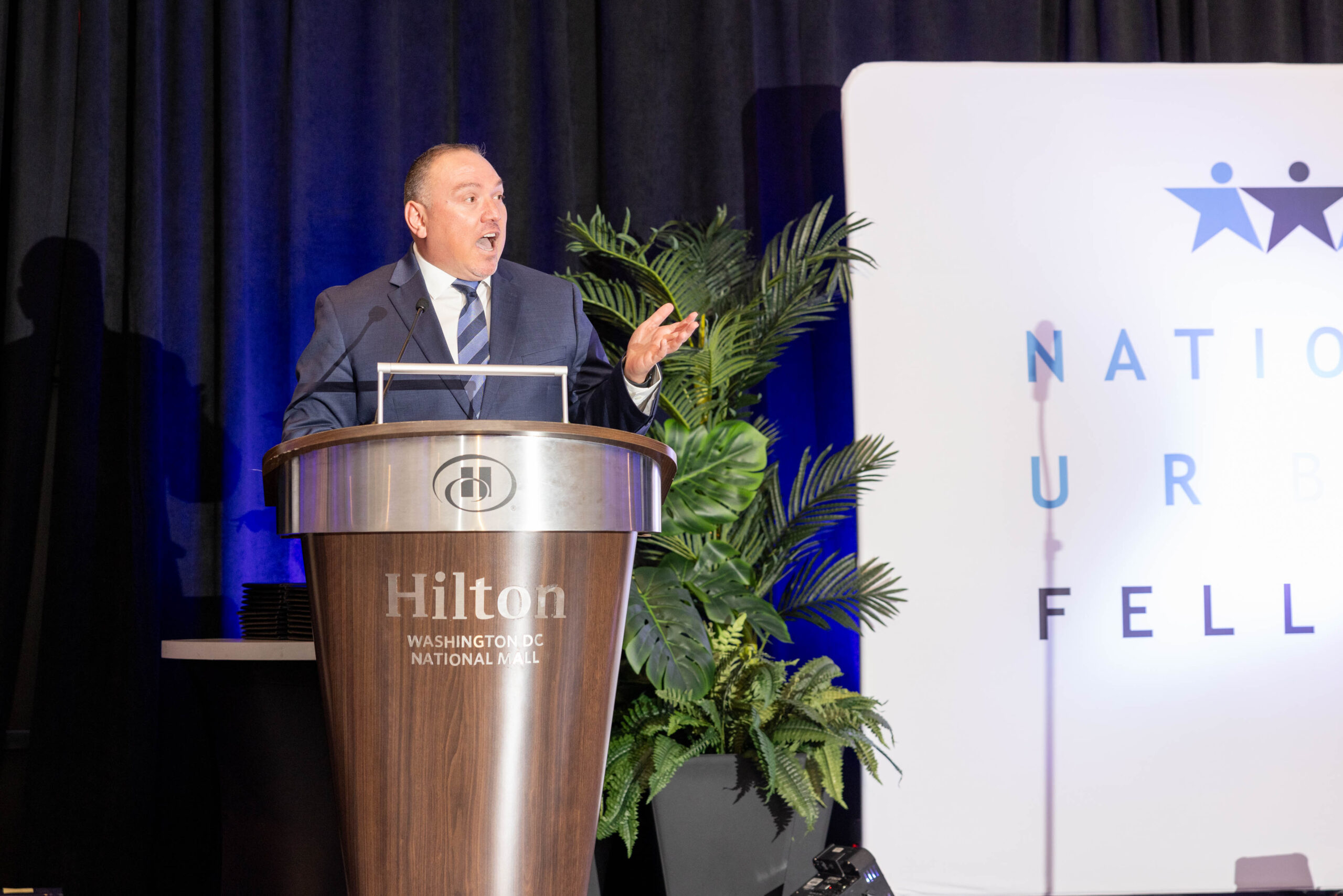
Sponsorships are often the lifeline of non‑profit events, and the strongest relationships happen through intentional cultivation.
Key strategies:
When sponsors feel truly seen, they return year after year.
Great events don’t just attract guests, they build momentum. Develop a marketing plan that includes:
Connection is your strongest marketing tool.
A polished run of show can elevate your event from good to extraordinary.
Map out every transition:
Assign a show caller and stage team to manage cues and timing. Donors appreciate efficiency, and timing impacts energy, engagement, and emotional resonance.
Your event may conclude when the lights go down, but your relationship‑building is just beginning. Be sure to:
Stewardship is where loyalty is built and where future support begins.
Continuous improvement is essential to sustainable success. After the event:
Your next event will thank you.
Planning a non‑profit event is an opportunity to inspire generosity, deepen relationships, and advance your mission in meaningful ways. At Signature Concepts, our strategy is simple and unwavering: purpose first, experience always. When you lead with purpose and design every touchpoint with intention, your event becomes more than a gathering, it becomes a catalyst for change.
If you’d like tailored support or a partner to help bring your next non‑profit event to life, we’d be honored to plan it with you.
PHOTO CREDITS:
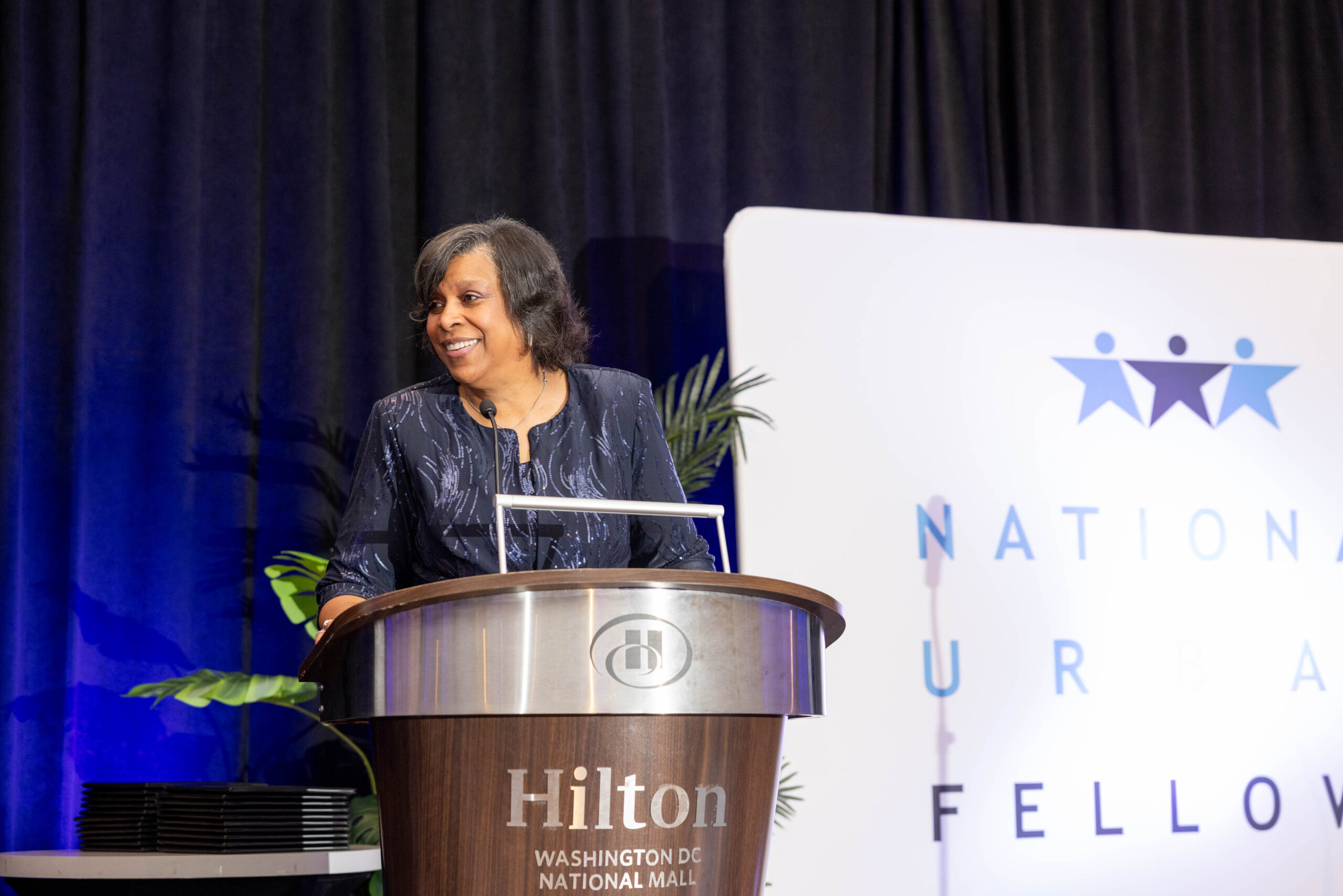
(Our Client: National Urban Fellows | Photography Credit (pictures 1, 2) – MFields Photography | Photography Credit (pictures 3, 4, 5) – Trene Forbes Photography)