 Tara Melvin
 June 24, 2026
 Tara Melvin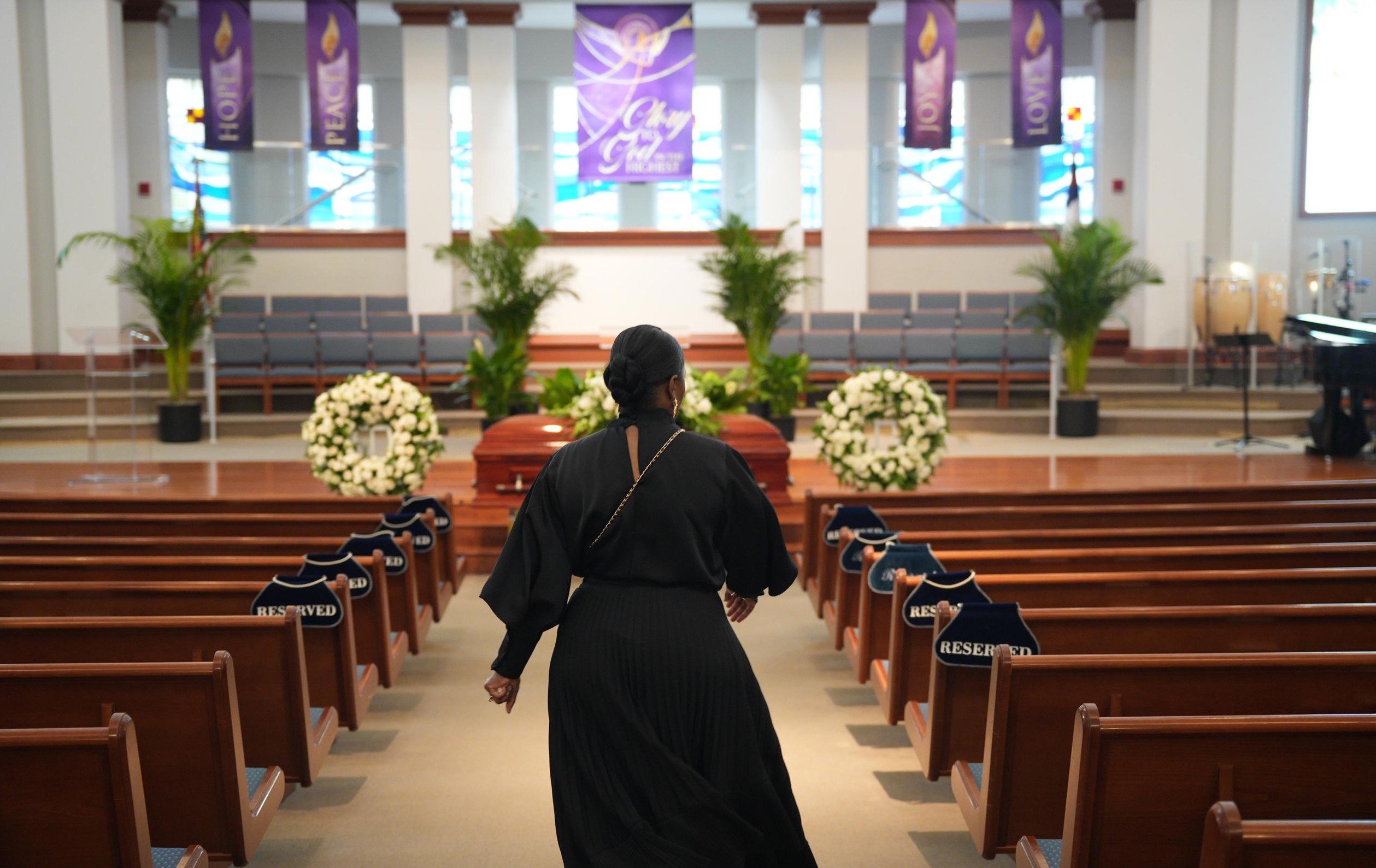
There’s something incredibly sacred about being invited into a family’s grief.
As an event planner, I’ve learned that celebration of life events isn’t about production, they’re about presence. They’re about listening closely, holding space, and designing something that feels true to the person being honored.
Before I think about florals or layouts or timelines, I listen.
I listen to the stories.
I listen to the laughter in between the tears.
I listen for the small details; the things that may seem small, but actually say everything about who that person was.
Because the truth is, you can’t plan something meaningful without understanding the heart of the life you’re honoring.
Supporting Families from Start to Finish:
In many cases, my role doesn’t begin and end with the celebration of life. I work with families to thoughtfully plan the funeral service, the burial, and the celebration experience, guiding them through every step during what is often one of the most emotional times in their lives.
That means managing logistics that can feel overwhelming, coordinating venues, timelines, guest flow, transportation, program elements, speakers, and design while also holding space for the family to simply be present.
When you’re navigating grief, decision-making can feel heavy. My responsibility is to ease that weight and ensure that every detail is handled with care, intention, and respect from the first conversation to the final moment.
It Starts with Intention, Not Tradition:
Traditional services absolutely have their place. But what I’ve found is that families are really looking for something more personal, something that reflects their loved one, not just a format.
So instead of asking, “What typically happens?” I ask, “What would feel right for them?”
And that’s where intentional planning begins.
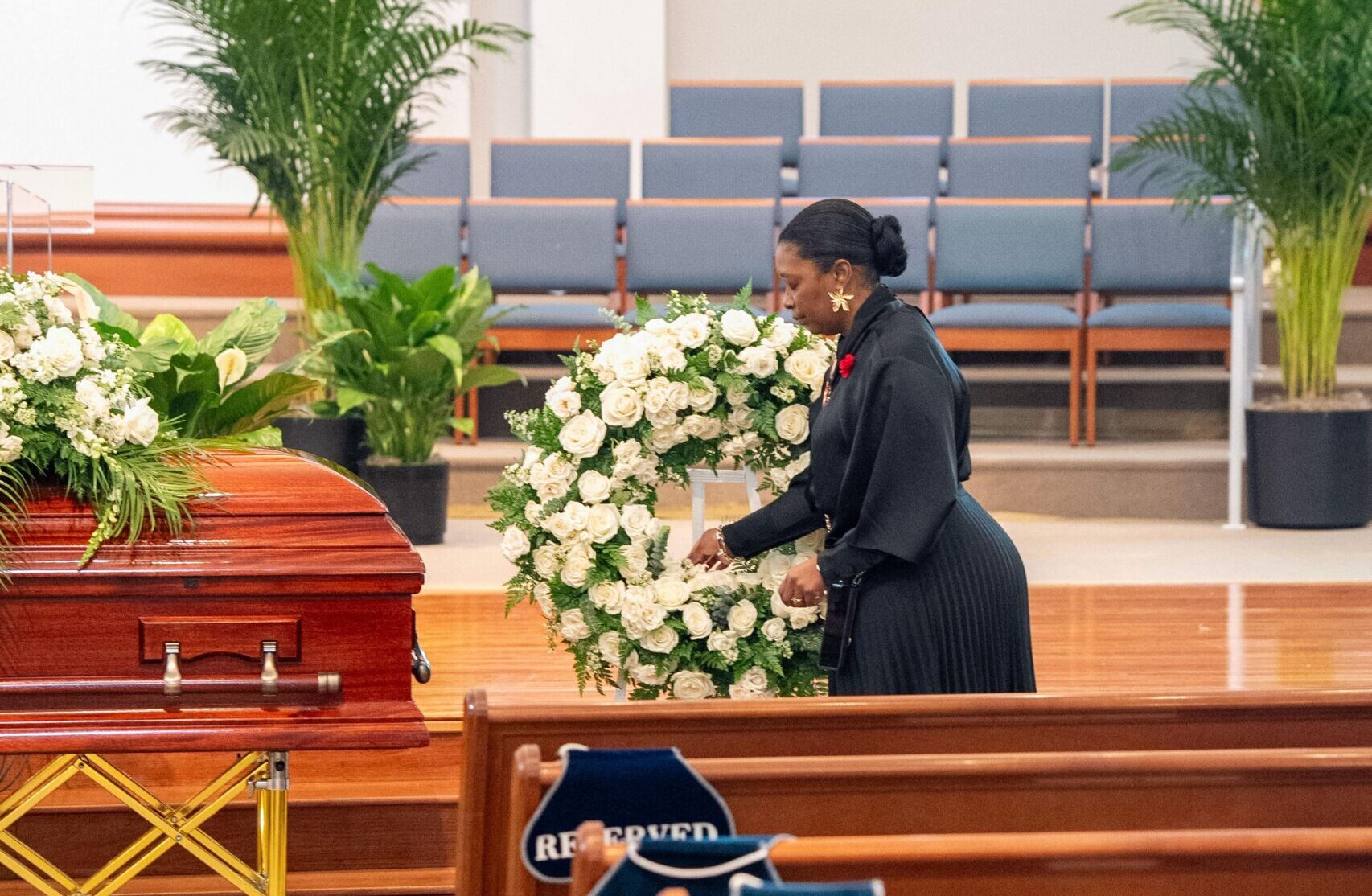
When a family is planning a funeral service, burial, and celebration of life together, I always guide them to think about pacing. Trying to hold everything in one day can become emotionally and physically overwhelming for both the family and the guests.
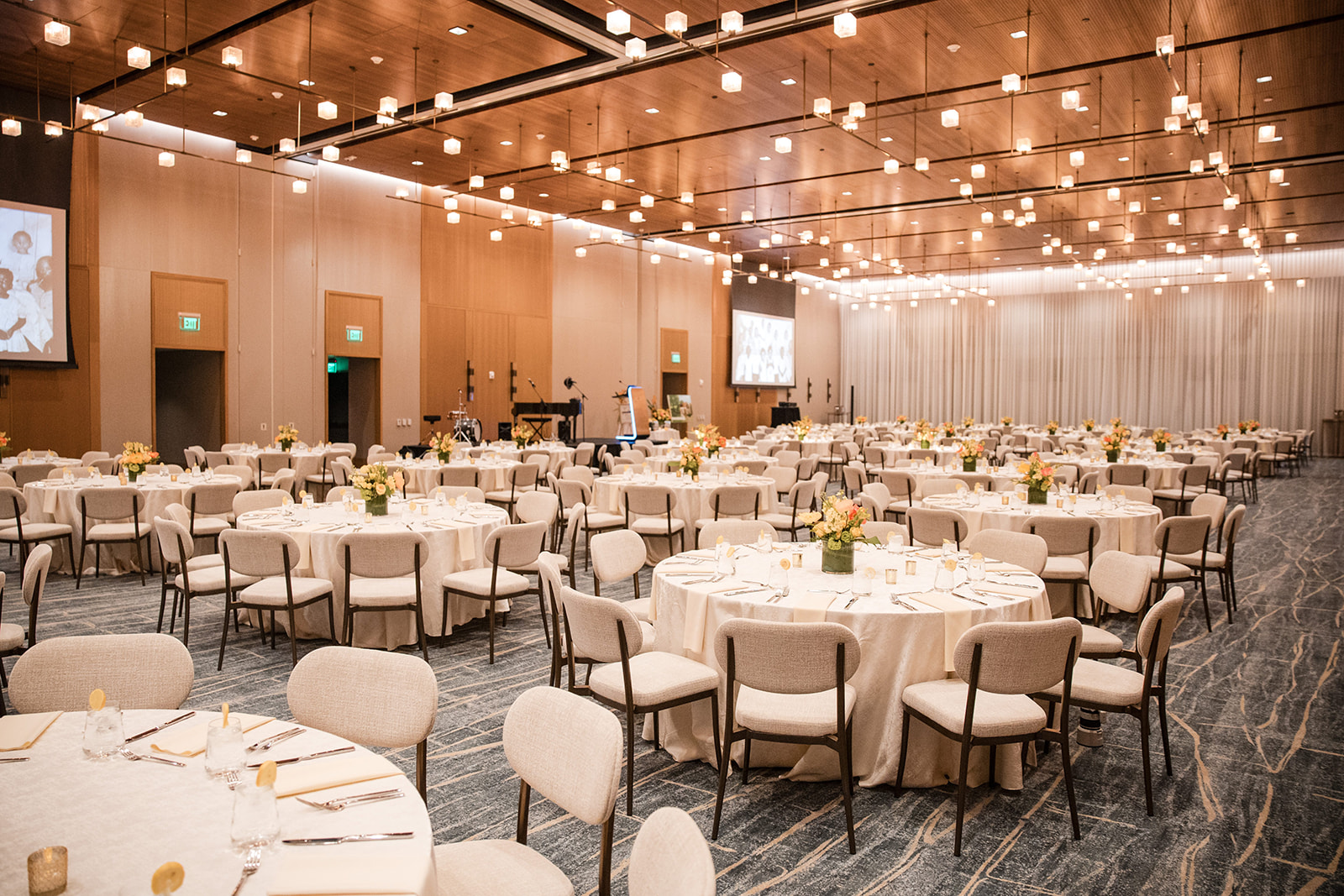
Whenever possible, I recommend breaking it up. Hosting the funeral service and celebration of life on one day. And reserving the burial for a separate, more intimate moment with immediate family or close loved ones. That separation creates space. It allows the family to be fully present in each experience, rather than rushing through what should be meaningful moments of reflection and closure.
Creating Space for Tributes and Storytelling:
One of the most meaningful parts of any service is giving people the opportunity to share.
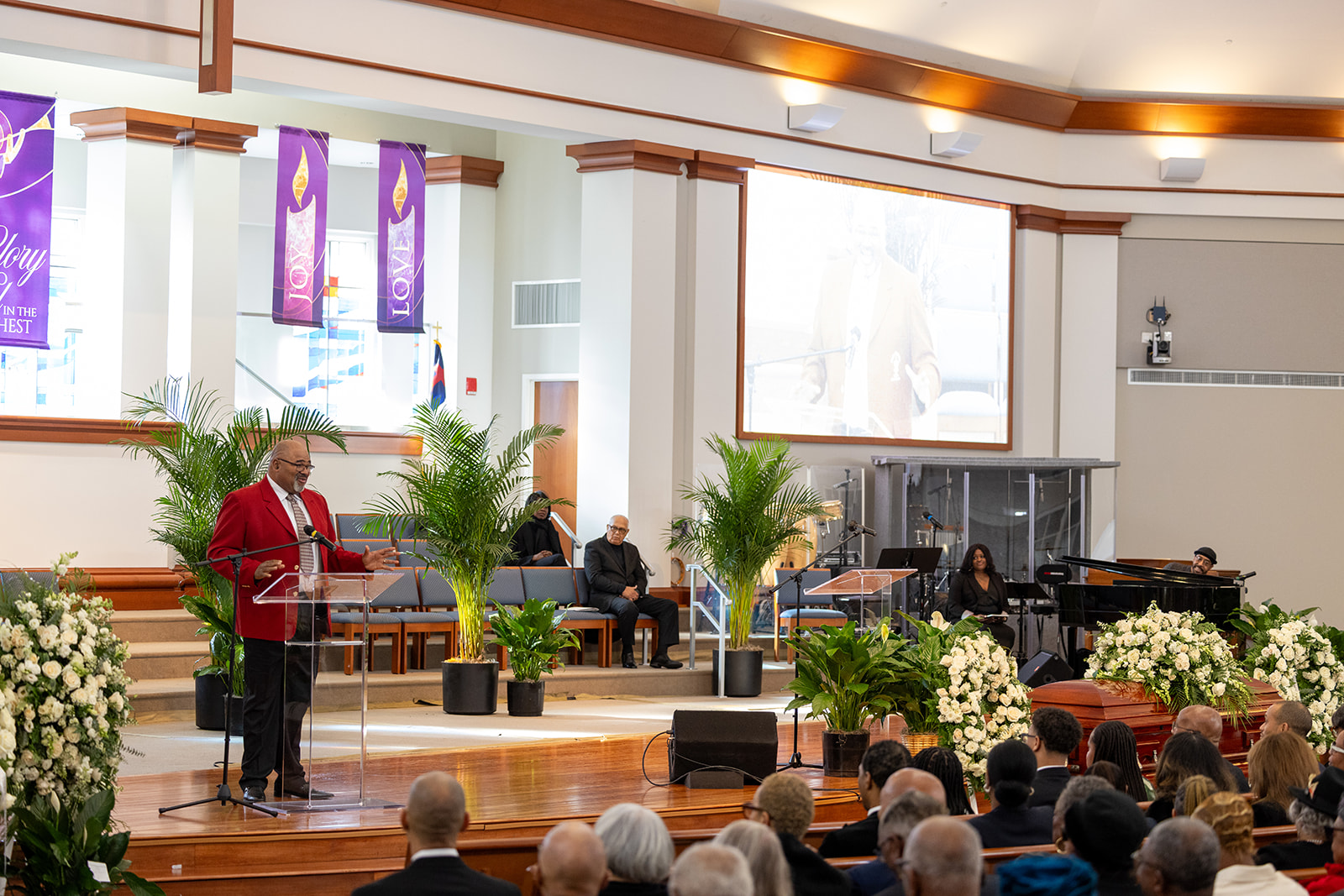
I always encourage families to invite loved ones to offer tributes both at the funeral service and the celebration of life. These moments bring depth, perspective, and personal connection that no program alone can provide.
At the same time, I gently guide speakers to come prepared to speak from the heart, while also honoring a thoughtful time frame. The goal is never to rush anyone but to create balance, so each voice can be heard without the experience becoming overwhelming or too lengthy.
For those who may not feel ready or aren’t included during the funeral service, the celebration of life offers another opportunity. It creates a more relaxed setting where additional stories, reflections, and memories can be shared.
That layered approach allows more people to participate while keeping each moment intentional and meaningful.
The Role of Music in the Experience:
Music is one of the most powerful emotional elements in any celebration of life.
It has the ability to shift the atmosphere, to lift the spirit, and to create moments that words sometimes cannot.
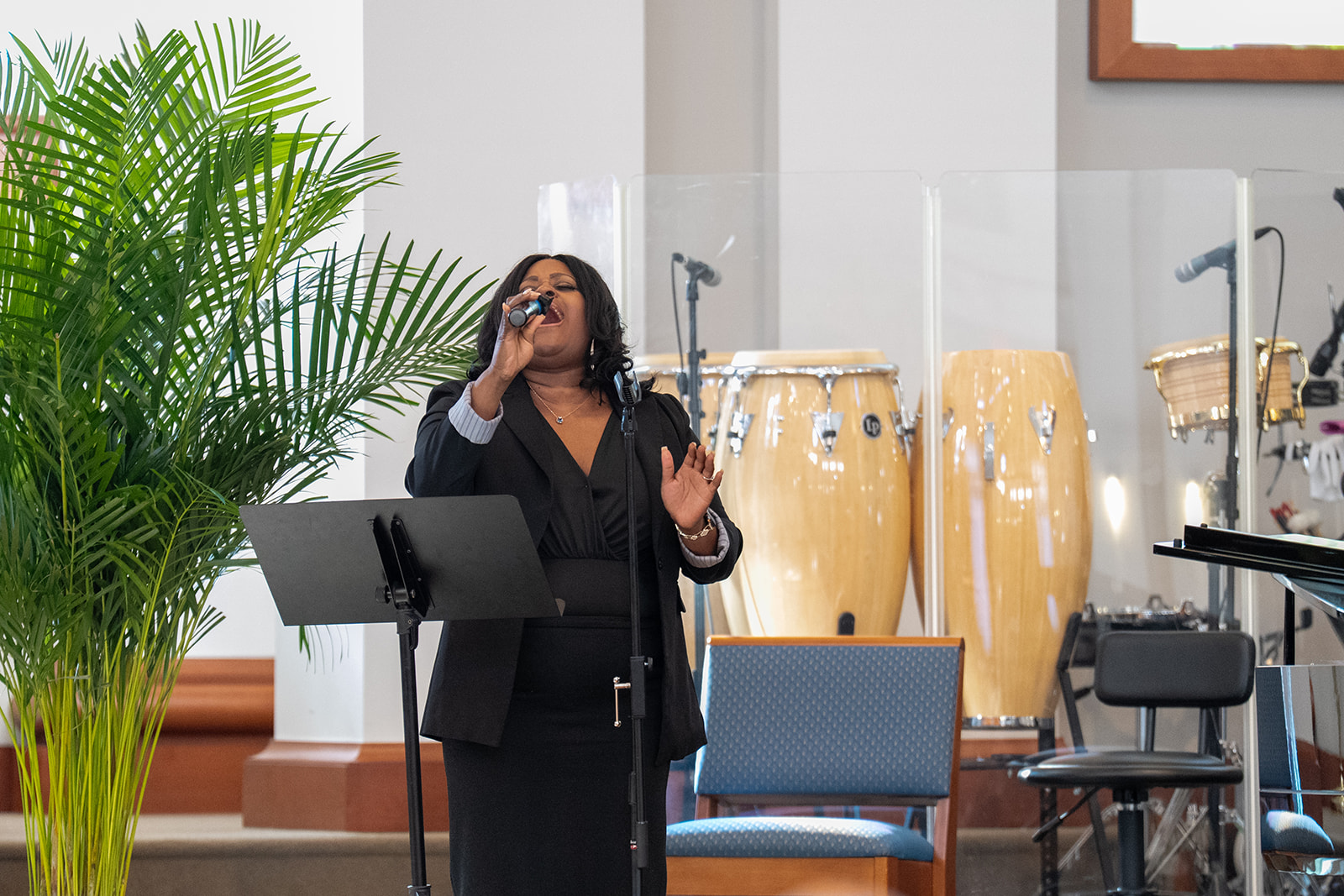
I always encourage families to be intentional about music whether that’s a live vocalist, a duet, a trio, or even a small band. Live music brings a level of presence and emotion that transforms the experience.
It can feel reverent, reflective, and even celebratory all at the same time.
From a solo voice during a quiet moment, to a fuller, more uplifting sound that brings people together, music helps guide the emotional flow of the day in a way that feels natural and authentic.
Designing Through Listening: The Details That Matter:
The most meaningful elements always come from simply paying attention.
I recently worked with a family whose loved one had a deep connection to Girl Scouts. That wasn’t just a detail, it was a part of her identity, her impact, her legacy.
So, we honored it intentionally.
My team wore Girl Scout hats, a subtle but powerful nod that immediately resonated with guests. We created a tribute table dedicated to her Girl Scout journey, where guests could select a Girl Scout pin to take with them. And during the tribute, we invited all Girl Scouts in attendance to come forward and recite the Girl Scout pledge together.
That moment…you could feel it. It wasn’t staged, it was shared, emotional, and deeply connected.
Our honoree also loved owls, it was one of those personal touches everyone associated with her. So, we wove that into the design gently, in a way that felt natural and meaningful.
That’s what intentional planning looks like. It’s not about doing more, it’s about doing what matters most.
Caring for What People Don’t See:
One of the most important parts of this work happens behind the scenes.
Supporting the family truly supporting them is just as important as the experience we create for guests.
For these special moments, we create a private retreat space where the family can step away at any moment. Somewhere they can breathe, gather themselves, or just have a quiet moment together.
Because grief doesn’t follow a timeline. And thoughtful planning means anticipating those needs before they’re even spoken.
A Few Gentle Steps if You’re Planning a Celebration of Life:
If you find yourself planning for someone you love, here’s what I always share:
Begin with Listening: Start with stories. Talk to the people who knew and loved them. You’re not just planning; you’re discovering what truly matters.
Let Their Life Lead the Way: Release the pressure to follow a certain format. The most meaningful experiences reflect the individuality of the person being honored.
Be Thoughtful About Timing: If you’re planning a funeral, burial, and celebration of life, consider how everything flows. Give yourself permission to separate moments so they don’t feel rushed or overwhelming.
Thoughtfully Plan Tributes: Invite loved ones to share but give gentle guidance. Encourage heartfelt words while setting a time frame so each person is honored and the experience remains balanced.
Choose Meaning Over Excess: You don’t need a lot; you need the “right” details. Focus on what will feel personal and genuine.
Create Space for Connection: Think about how guests will engage with the experience. Shared moments are what people remember most.
Care for the Family First: Build in space for rest, privacy, and support. The most meaningful events are the ones where the family feels truly cared for.
Use Music to Guide the Experience: Incorporate live music or meaningful selections that reflect the spirit of the person being honored. Music has the power to bring comfort, connection, and even joy.
Allow Room for Joy: Joy can exist alongside grief. In fact, it often brings people closer. Don’t be afraid to celebrate the fullness of a life.
My Final Thoughts:
At the end of the day, this work is about intention.
It’s about listening deeply, planning thoughtfully, and creating space for people to remember, reflect, and connect.
Because this isn’t just about one moment, it’s about the entire journey. From the funeral service to the burial, to the celebration of life, each piece matters, and each one deserves care.
And when it’s done with intention, it allows a life to be honored in a way that feels complete, not just in how someone passed, but in how they lived and how they will be remembered.
(photography credit: Chip Dizard Studios | Real events of Signature Concepts LLC)